
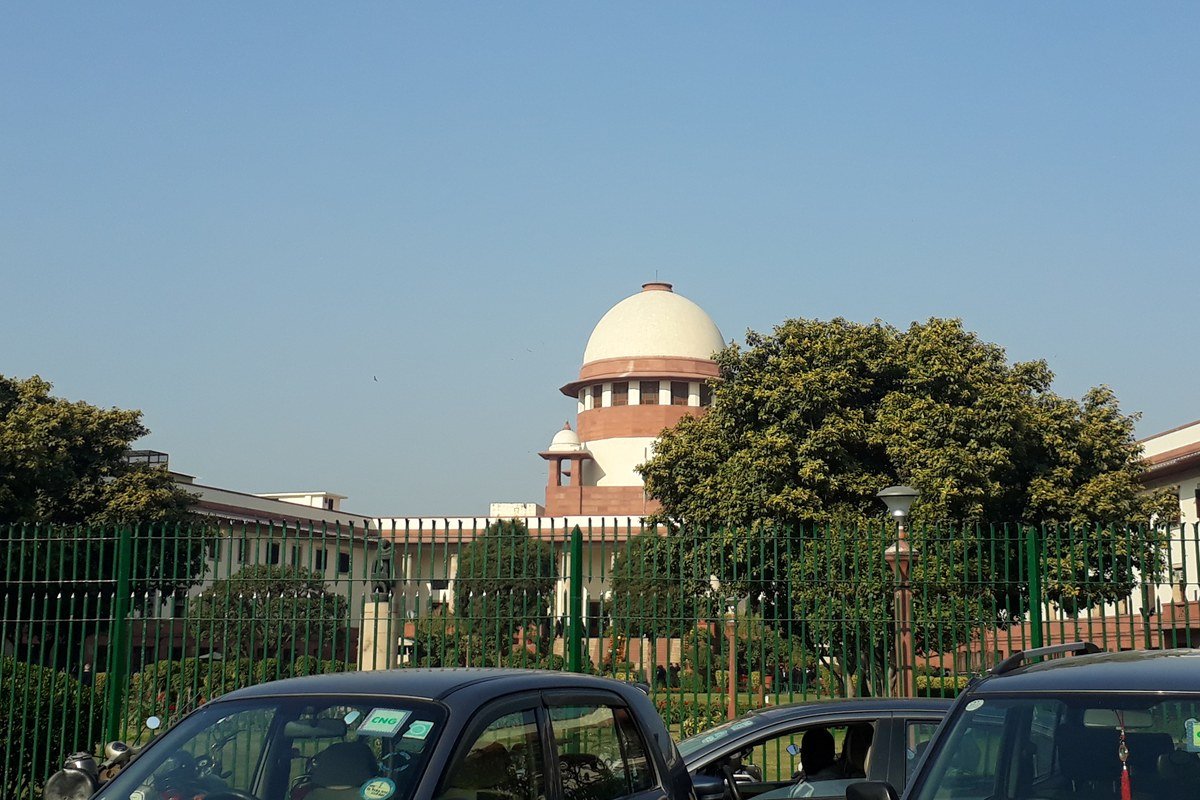
File photo: Supreme Court of India, New Delhi, 2019. Pinakpani, 2019. Supreme Court of India front view 06.jpg. Wikimedia Commons. Source URL. Published under CC BY-SA 4.0. Cropped and resized.
Who decides which Supreme Court Bench hears your case? The answer is the Chief Justice of India, acting as the “master of the roster”, with the administrative authority to constitute Benches and allocate judicial work among them. Former judge Abhay S. Oka’s criticism this week, reported by The Hindu, has put the system back in focus.
What the roster is
The roster is the published allocation of subject categories to Benches. In principle, it lets everyone know in advance which kinds of cases go to which Bench, so listing is automatic rather than chosen case by case.
The problem Justice Oka flagged
Several Supreme Court Benches are assigned the same categories of cases, he pointed out, so a fresh case could go to five different Benches. “Who then decides which Bench a freshly filed petition goes before – the Chief Justice of India or an official in the Registry?” he asked, saying the object of a roster is to rule out the possibility of manual intervention in listing.
The High Court comparison
Justice Oka said the Supreme Court would become more favourable to litigants with a proper roster on a par with the High Courts, where certain administrative decisions are taken by committees constituted by the Chief Justice, bringing collective decision-making to administrative powers.
Why it matters
Case allocation shapes how quickly and before whom a matter is heard. A transparent, category-based roster limits discretion in listing; an overlapping one leaves room for human intervention, which is the transparency gap the former judge wants closed.