
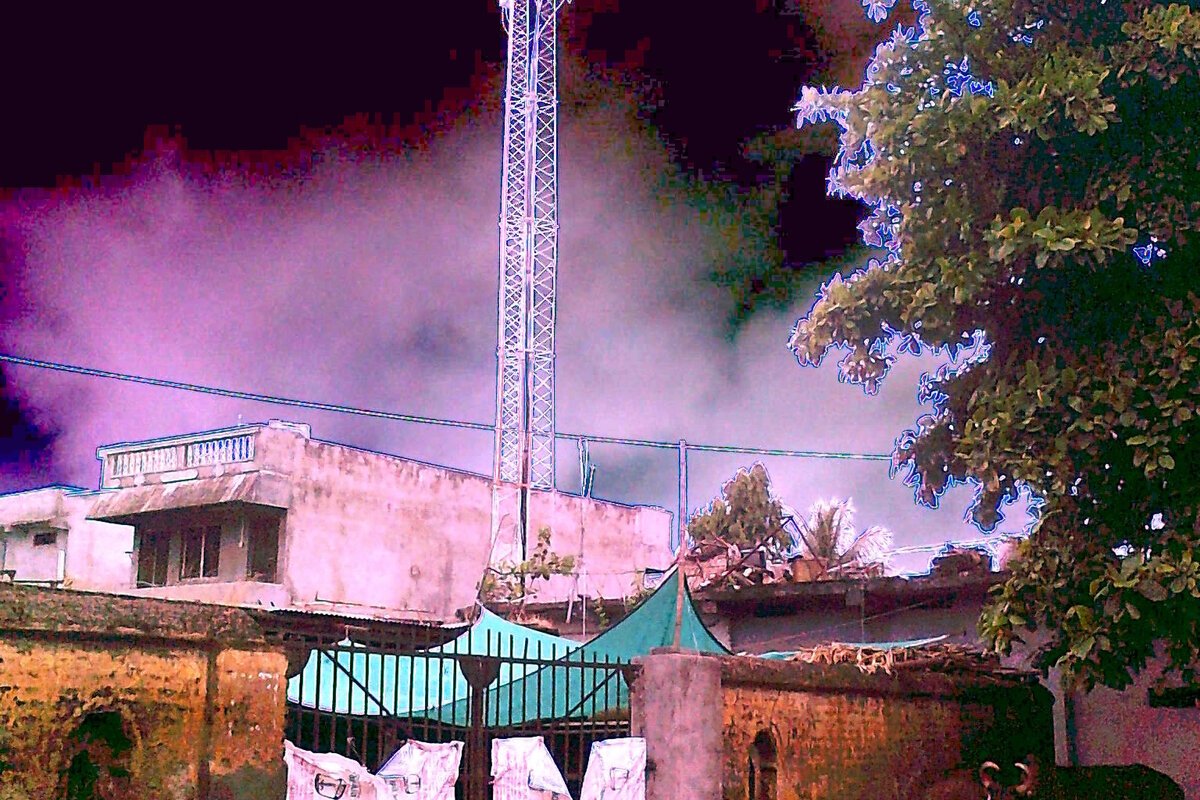
File photo: a BSNL cellphone tower at Chinawal in Maharashtra. abhiriksh. Wikimedia Commons. Source URL. Published under CC BY-SA 3.0. Cropped and resized.
The number of Indian villages without 4G connectivity has fallen by about three-fourths in four years, according to Department of Telecommunications data reported by The Hindu. Here is what the numbers show and why they matter.
The headline numbers
Villages without 4G connectivity fell from 45,180 in 2022 to 11,372 now – roughly a fourth of the earlier figure. The data were obtained by The Hindu under the Right to Information Act, 2005.
What drove the fall
Part of the reduction comes from BSNL’s 4G saturation project. But the coverage achieved has gone beyond the scheme’s initial target of 24,680 villages, which the report says indicates complementary efforts by private operators.
Why mobile broadband matters
Additions to wired broadband subscriptions have stagnated for months. That leaves mobile broadband – already the primary means of internet access for Indians – carrying more of the load, especially in rural areas where wired connections are scarce.
The gaps that remain
The country is still far from universal smartphone ownership. And the reduction is notable precisely because connectivity between urban and rural India has historically been uneven: cities and towns often enjoy extensive high-speed 5G coverage and affordable wired home broadband, a contrast with the villages these figures describe.